
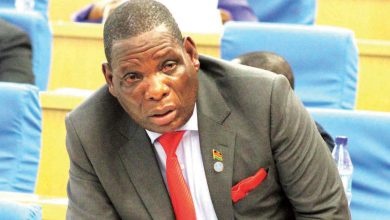
The DPP-led government under President Peter Mutharika, with Finance Minister Joseph Mwanamvekha at the controls, has turned taxation into a blunt weapon against ordinary Malawians. Civil servants—already among the lowest paid professionals in the region—are now being squeezed until there is nothing left. What is happening is not economic management. It is policy cruelty.
From the very first day a worker earns a salary, the government takes its share aggressively. A civil servant earning K500,000 immediately loses about K99,000 to PAYE. Before rent, food, transport, or electricity, the State has already helped itself. What remains is not disposable income; it is survival money.
Housing, a basic human need, has now become another tax trap. Rent that was once K150,000 jumps to K180,000 because of a 20 percent tax pushed onto tenants. This is not taxing luxury. This is taxing shelter. After PAYE and rent alone, a worker is already close to financial collapse.
Food offers no relief. VAT at 17.5 percent ensures that every trip to the grocery store becomes another collection point for government revenue. Electricity tariffs rise by double digits, turning even basic lighting and cooking into a costly affair. The result is predictable: after taxes and utilities, a worker is left with barely enough to commute, buy vegetables, or handle a small emergency.
What makes these policies even more disturbing is the government’s next move. Instead of easing the burden, the DPP administration now wants to send Malawi Revenue Authority officers searching for residential houses, hunting for new ways to tax people who are barely coping. This is not broadening the tax base. It is chasing the poor in circles.
President Mutharika and Minister Mwanamvekha may speak the language of fiscal discipline, but the lived reality tells a different story. A government that taxes income, housing, food, and electricity without protecting wages is not managing an economy—it is breaking its workforce.
Civil servants are not asking for luxury. They are asking for dignity. They are asking for a system that allows them to live, not just exist from paycheck to paycheck. When a full month’s salary ends with nothing left but anxiety, the policy has failed.
This is no longer about numbers in a budget statement. It is about human lives being reduced to calculations that do not add up. A government that taxes people into poverty cannot claim moral authority or economic wisdom.
This is not living.
This is survival after punishment.