
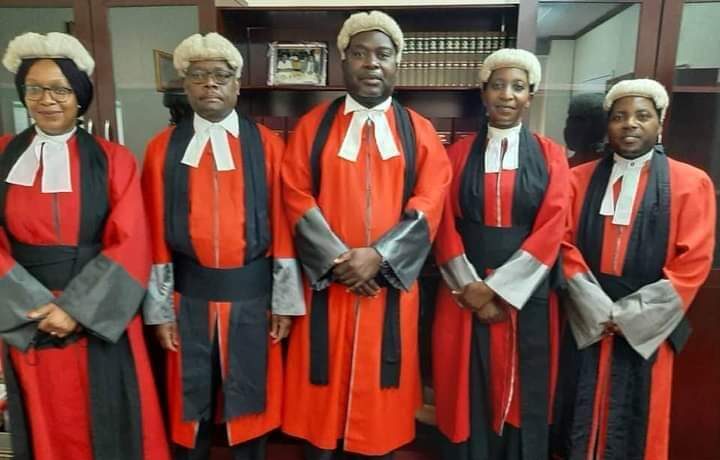
Many Malawians are angry. Trillions of kwacha are being mentioned. People are talking about higher taxes, closed hospitals, and failing public services. Some are blaming the Supreme Court judges. Before we shout, we must first understand what really happened, in simple terms.
This case started more than 20 years ago. The Reserve Bank of Malawi suspended Finance Bank’s foreign currency operations. Later, the Minister of Finance revoked the bank’s licence. That decision effectively shut the bank down. Finance Bank argued that this was done unfairly, without being properly heard, and in breach of the law. The government said it acted within its powers. That disagreement went to court.
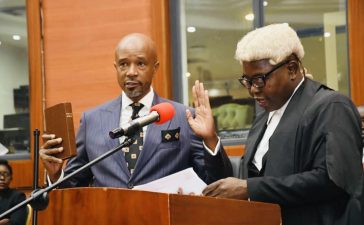
The Supreme Court did not say Finance Bank was innocent or perfect. It did not say regulators cannot close banks. What it said was very basic: when government authorities take actions that destroy a business, they must follow the Constitution. They must act lawfully and fairly. In this case, the Court found that Finance Bank was not given a fair hearing, that the Reserve Bank acted improperly, and that the Minister relied on a flawed recommendation. Because of that, the actions were unlawful.
Once government action is found to be unlawful, the law is clear: damages must be paid. That is why money is now being discussed. But the real issue is not just the damages. The real issue is the time. This case took over two decades to conclude. During that time, losses accumulated, interest grew, and the final bill became enormous. Time, not the judges, inflated the cost.
So where should blame be placed? First, on the regulators at the time, the Reserve Bank and the Minister, whose unlawful actions exposed taxpayers to this risk. But the bigger blame lies with the judicial system itself. No serious country allows a commercial dispute to drag on for 20 years. That is not justice. That is systemic failure.
If this case had been concluded within a reasonable time, even if the government still lost, the amount payable would have been far smaller. Instead, delay allowed the damage to grow while the system watched. The public will now pay the price for that delay.
Attacking the Supreme Court judges is misplaced. Those judges did not cause the delay. They did not create the losses. They did not write the Constitution. When the case finally reached them, they heard it and delivered judgment swiftly. That efficiency only exposes how broken the rest of the system is.
The real problem is a judiciary that operates without discipline. Cases take years to move. Judgments take years to be written. There are no strict timelines and no consequences for delay. Judges work at their own pace while interest accumulates and public money bleeds away. This is not judicial independence. It is institutional indifference.
What Malawi needs is urgent reform. Cases must be concluded within fixed timeframes. Judges who cannot meet reasonable deadlines must be removed, retired, or impeached. Judicial office is a public trust, not a lifetime comfort. Justice delayed is not only justice denied; it is economic damage to the nation.
This case did not ruin Malawi’s economy. Delay did. And unless the justice system is fixed, this will not be the last time Malawians are handed a trillion-kwacha bill for failures they did not cause.