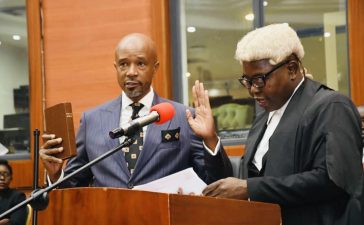

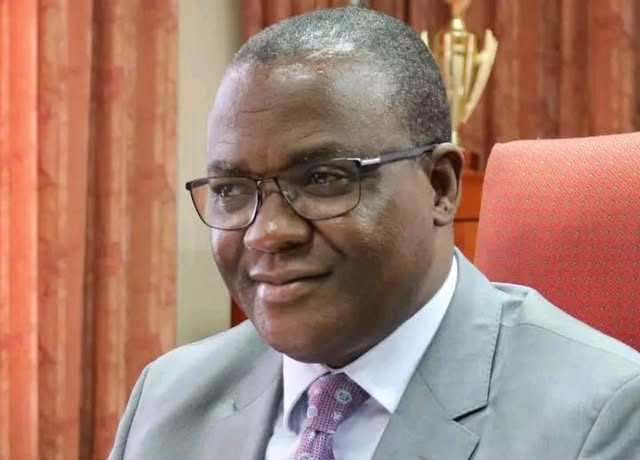
President Professor Arthur Peter Mutharika’s decision to appoint Mr. Henry Mathanga as Deputy Governor of the Reserve Bank of Malawi (RBM) has ignited a storm of controversy, with critics warning that the move undermines the credibility of the country’s financial system and risks damaging relations with international partners.
The RBM, as the nation’s apex monetary authority, plays a pivotal role in safeguarding financial stability and maintaining trust with global institutions such as the International Monetary Fund (IMF). Senior appointments to its leadership are expected to meet the highest standards of legality, integrity, and professional competence. Observers argue that Mr. Mathanga’s appointment falls short of these expectations.
Pending Criminal Proceedings
Mr Mathanga, who worked as RBM Deputy Governor during the Democratic Progressive Party (DPP)’s 2014-2019 tenure, has been linked to serious misconduct during his earlier tenure. Allegations include the unlawful extension of loans to private firms such as Mulli Brothers Limited, Web Commercials, FF Trading, and Rock Ba Rock—actions said to contravene the Reserve Bank of Malawi Act, which restricts lending powers to government and staff members only.
Criminal proceedings against Mr. Mathanga remain active before the Financial Crimes Division of the High Court of Malawi. These cases have neither been withdrawn nor resolved in his favour, raising questions about the prudence of his reappointment.
IMF Misreporting Scandal
Mathanga’s name also surfaced in the IMF misreporting scandal, one of the most damaging episodes in Malawi’s financial history. The IMF had urged the government to hold accountable those responsible for misreporting, which undermined Malawi’s credibility with international lenders. Mr. Mathanga is currently facing charges related to this scandal, as well as separate proceedings concerning the management of COVID-19 donations.
Critics warn that his appointment places Malawi in a diplomatically precarious position, as he will be expected to represent the country in negotiations with the IMF while his own conduct is under judicial scrutiny.
Fit and Proper Standards
The controversy deepens with reference to the “fit and proper” requirements established by the RBM itself for senior officials in financial institutions. These directives demand integrity, honesty, competence, and regulatory compliance. Mr. Mathanga was previously dismissed from the RBM following a statutory inquiry into misconduct, a process led by respected figures including Professor Ronald Mangani.
Analysts argue that reinstating him to the same office sends a corrosive message: that while commercial banks must adhere to strict standards, the Reserve Bank itself is exempt.
Legal Questions
Section 16(2) of the Reserve Bank of Malawi Act, 2019 stipulates that Deputy Governors must be appointed “from within members of staff of the Bank.” Critics contend that Mathanga, as a dismissed former employee, does not meet this statutory requirement. Legal experts warn that the appointment may therefore be unlawful on its face.
Governance and Public Confidence
The decision has been described as a blow to corporate governance and the rule of law. Commentators note the irony that President Mutharika, himself a professor of law, would disregard statutory safeguards and regulatory standards. Civil society groups argue that the move normalises impunity at the highest levels of financial governance.
Calls for Reversal
Opposition voices, governance watchdogs, and financial analysts are now calling for the immediate rescission of Mathanga’s appointment. They argue that reversing the decision is essential to restore public trust, uphold the rule of law, and reassure international partners of Malawi’s commitment to accountability.
“Malawi’s financial system cannot afford the dilution of standards or erosion of trust at the very apex of its regulatory framework,” one governance expert told reporters. “Institutional integrity must take precedence over expediency.”