
If hypocrisy were fuel, Shadreck Namalomba would have solved Malawi’s fuel crisis by now.
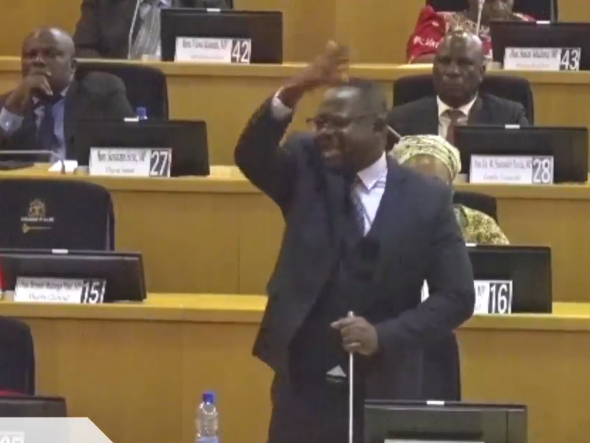
When the DPP was in opposition, Namalomba suddenly discovered a deep love for the poor. Fuel price hikes, he warned, were evil. They would kill Malawians, destroy buying power, weaken the kwacha, and turn daily life into misery. He shouted. He moralised. He even led a dramatic walkout of Parliament, as if he were defending the nation from an invading army.
Fast forward to today. Same Namalomba. Same country. Same suffering citizens. Different tune.
Now that he sits comfortably in government, fuel prices have been hiked, transport costs have risen, and Malawians are sinking deeper into poverty. Asked to explain the contradiction, Namalomba does not apologise. He does not even pretend to care. Instead, he casually shrugs and says his past remarks were “just politics.”
Just politics.
So what was all that noise about poor Malawians dying? Just politics.
What about the moral outrage in Parliament? Just politics.
What about walking out to “protect” citizens? Theatre. Cheap theatre.
In one careless sentence, Namalomba confirmed what many Malawians have long suspected: their pain is only useful during campaigns. Once power is secured, suffering becomes an inconvenience, not a concern.
Even worse is his arrogance. “Now I am in government,” he says, “that is why we have raised fuel prices.” As if power itself magically turns bad policies into good ones. As if sitting in a ministerial chair erases yesterday’s promises. As if Malawians should accept hardship simply because the people inflicting it now hold office.
Fuel prices in Malawi are among the highest in Africa. Transport fares are climbing. Food prices are rising. But according to Namalomba, none of this matters—because this time it is his government doing it.
This is not leadership. It is not patriotism. It is not honesty.
It is unprincipled politics at its worst: oppose everything when out of power, then do the same things when in power and insult the public’s intelligence by calling it “governing.”
Namalomba’s admission is more than personal embarrassment. It is a confession that politics in Malawi is often a game played over the backs of the poor. The faces in power change, the excuses change, but the pain remains exactly the same.
For many Malawians, this episode confirms a bitter truth:
policies do not hurt less just because the liars are now the ones enforcing them.
And “just politics” remains the most expensive lie Malawians are forced to pay for every single day.